
 EP 12Samurai Gourmet2017 · ★ 7.7
DoraWatch
165 Japanese television dramas, 1990 to 2025, with 5,269 episodes listed.
Top search: Samurai GourmetWomanThe Brave 'Yoshihiko'Mei's ButlerThe Way of the HousehusbandCrying Out Love, in the Center of the WorldSanadamaruWhy I Dress Up for LoveOrange DaysYour Home Is My BusinessI'm Your DestinyYa Boy Kongming!A Story to Read When You First Fall in LoveMoribito: Guardian of the SpiritPricelessYae's SakuraShomuniIsekai Izakaya "Nobu"
Most watched
View all (165)EP 12Samurai Gourmet2017 · ★ 7.7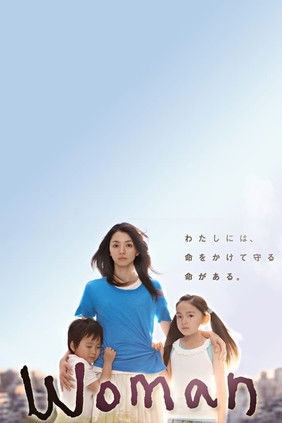 EP 11Woman2013 · ★ 7.5
 EP 35The Brave 'Yoshihiko'2011 · ★ 7.6
 EP 10Mei's Butler2009 · ★ 6.5
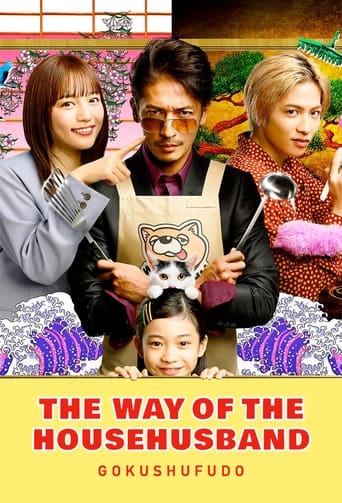 EP 10The Way of the Househusband2020 · ★ 7.4
 EP 11Crying Out Love, in the Center of the World2004 · ★ 8.4
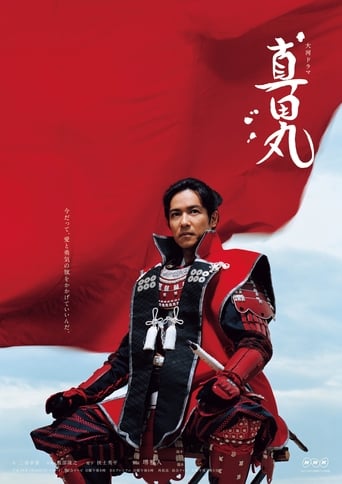 EP 50Sanadamaru2016 · ★ 8.0
 EP 10Why I Dress Up for Love2021 · ★ 6.5
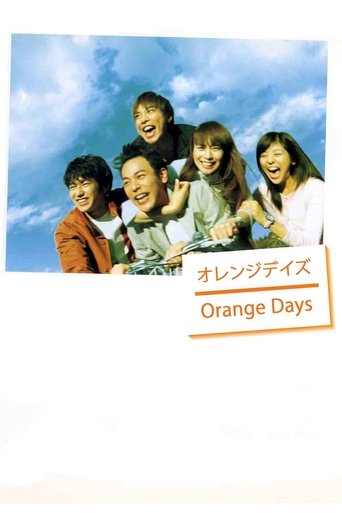 EP 11Orange Days2004 · ★ 7.9
 EP 20Your Home Is My Business2016 · ★ 5.6
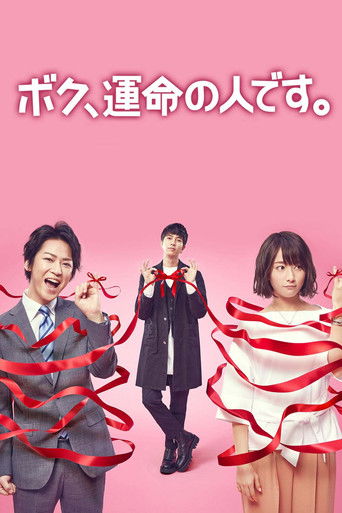 EP 10I'm Your Destiny2017 · ★ 5.3
 EP 10Ya Boy Kongming!2023 · ★ 7.1
Morning serials
View all (22)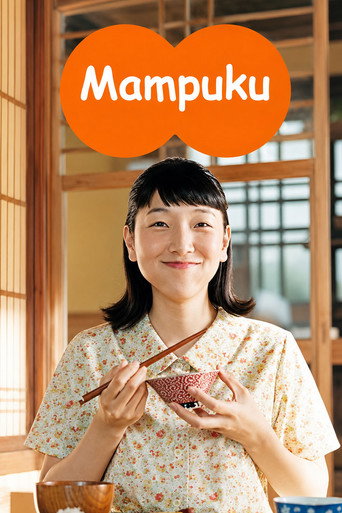 EP 151
 EP 156
 EP 151
 EP 126
 EP 156
 EP 160
Period dramas
View all (23)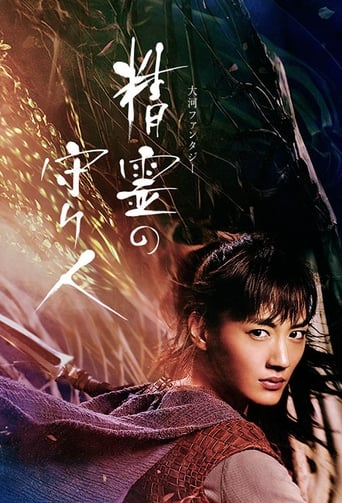 EP 22
EP 22 EP 50
EP 50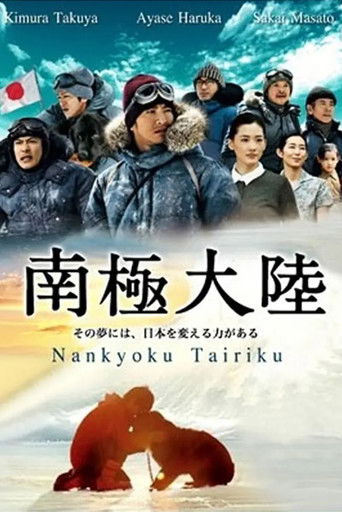 EP 10
EP 10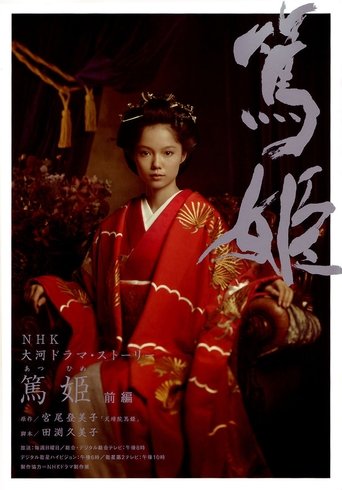 EP 50
EP 50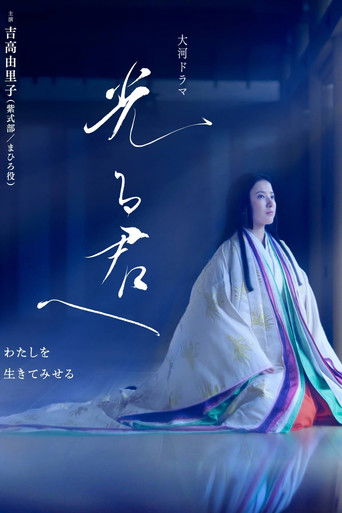 EP 48
EP 48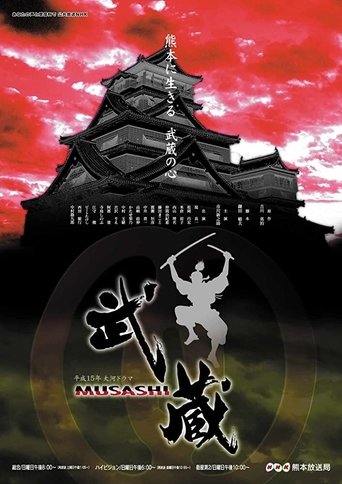 EP 49
EP 49Food and drink
View all (22)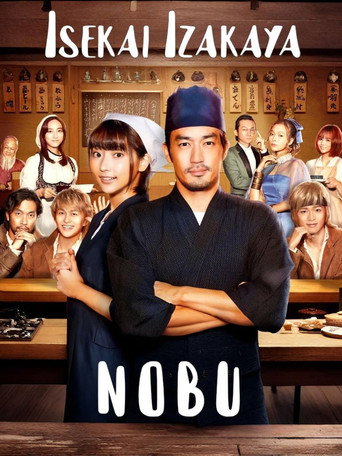 EP 30
EP 30 EP 12
EP 12 EP 108
 EP 30
EP 30 EP 8
EP 8 EP 10
EP 10Work and medicine
View all (30) EP 10
EP 10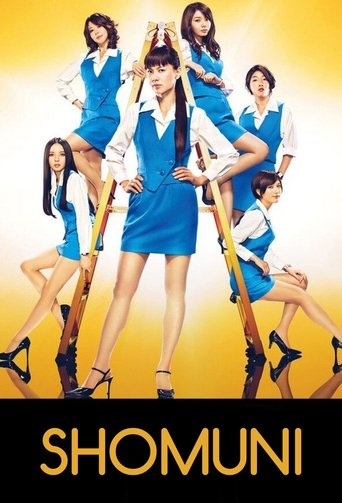 EP 46
EP 46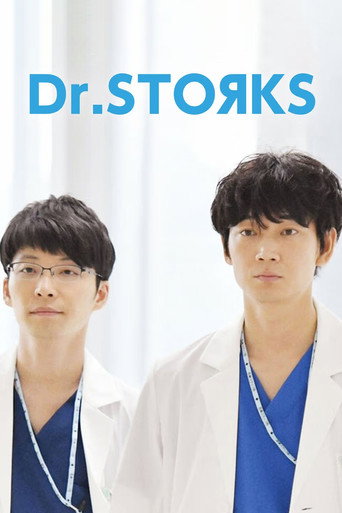 EP 21
EP 21 EP 11
EP 11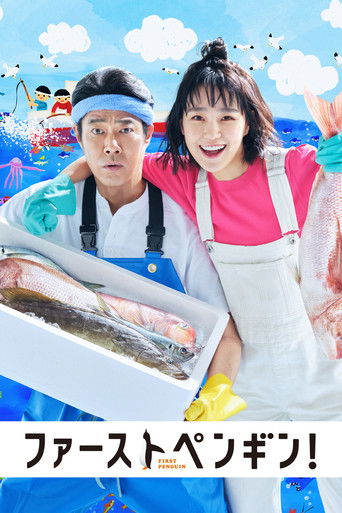 EP 10
EP 10 EP 6
EP 6School and youth
View all (23) EP 10
EP 10 EP 10
EP 10 EP 9
EP 9 EP 5
EP 5 EP 11
EP 11 EP 10
EP 10Love and everyday life
View all (45) EP 10
EP 10 EP 10
EP 10 EP 10
EP 10 EP 10
EP 10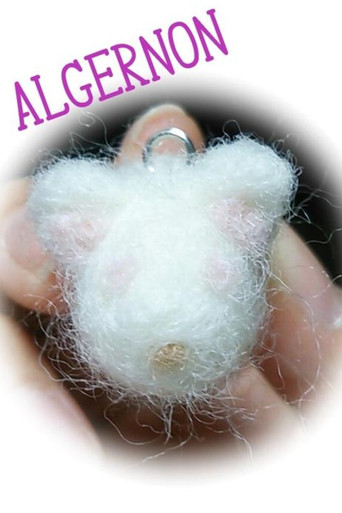 EP 10
EP 10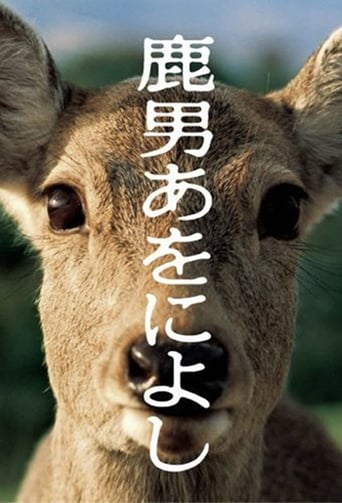 EP 10
EP 10More lists
From manga (37)True stories (20)Short series (74)Long series (33)Before 2010 (35)2010 to 2019 (71)2020 onwards (59)Top rated (33)
The DoraWatch guide to Japanese drama
DoraWatch: Japanese dramas, with Samurai Gourmet, Mampuku, Carnation, Sanadamaru, Atsuhime, Orange Days, Massan, Hiyokko and The Way of the Househusband
Japanese television drama has habits all its own. Every morning at eight, six days a week, the public broadcaster shows a quarter of an hour in the life of a heroine, and over six months half the country follows her from childhood to old age. Every Sunday evening for a year, the same broadcaster tells the life of one figure from history in fifty instalments. In between come the commercial channels' dramas of ten or eleven episodes, one season long and complete in themselves: a pharmacist on her rounds, a retired salaryman discovering lunch, a violinist who has lost her hearing, a former gangster who has taken up housekeeping. Japanese viewers call them dorama, and DoraWatch is a guide to 165 of them, made between 1990 and 2025. It sorts them into six kinds, and gives each a page with its cast, its episodes and a Watch now button that leads to the official services carrying it.
The 165 dramas have 5,269 episodes between them. Twenty-two are morning serials, twenty-three are period dramas, twenty-two are about food and drink, thirty about work and medicine, twenty-three about school and youth, and forty-five about love and everyday life. This guide takes the six kinds in turn, then looks at adaptations from manga, true stories, short and long series and the leading actors, and it closes with the search, My List and a plan for a first fortnight.
What DoraWatch is
DoraWatch is a viewing guide. Each of its 165 pages describes one drama: its story, the year in which it was made, its leading actors, its director and the order of its seasons and episodes with their dates. At the top of each page is a Watch now button with a country selector beside it. Choose the country you are in, press the button, and JustWatch opens with the services that carry the drama there, whether by subscription, rental, purchase or free with advertising. The how to watch page sets out the three steps in brief.
The selection was made by hand, one summary at a time, with a mixed household in mind. Japanese television is well suited to that purpose: its mainstream dramas are made for early evening and for a family audience, and they are fond of decent people doing their work well. The catalogue favours those qualities, and leaves aside the crime stories and the late-night dramas made for adults.
The guide is written in English for viewers anywhere. The dramas are in Japanese and are increasingly available with subtitles on international services; each title page gives the original title in Japanese beside the English one, since translations vary from one service to another and the original is the surest thing to search for.
How the pages are arranged
DoraWatch is black and white. The page is black, the type and the controls are white, and the only colour comes from the posters themselves. A slim bar at the top holds the logo, the menu, the search field and a white My List button.
The home page opens like a landing page: the title in the centre, a line of summary, a row of rounded chips headed Top search with eighteen of the most watched dramas, and a large white button that leads to the complete list. Beneath come rows of upright posters, six across, each with a small white label in its top corner giving the number of episodes, and under it the title, the year and the score. The first row holds the twelve most watched dramas; then each of the six kinds has a row of its own, and a final row of chips leads to the remaining lists. On a telephone the posters stand two across and the three-bar button opens the menu with a search field of its own.
Morning serials
Twenty-two dramas are morning serials, and the morning serials guide introduces them. The asadora, as it is known, has been broadcast by NHK since 1961. Each one runs for six months in episodes of fifteen minutes, about a hundred and fifty in all, and almost every one tells the life of a woman, often based on a real person, from girlhood through the upheavals of the twentieth century to a hard-won success. The form sounds modest and is in fact one of the great storytelling machines of world television: by the end, viewers have spent nearly forty hours with a character and know her family, her street and her trade.
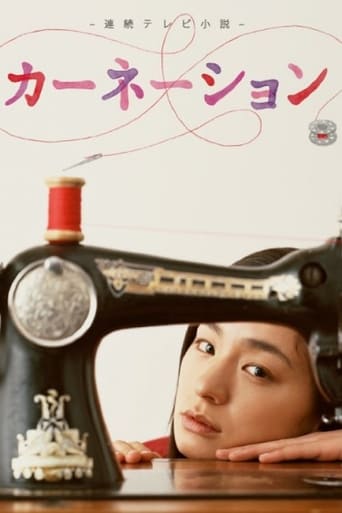
The best are stories of people who made things. Mampuku is about Fukuko, played by Sakura Ando, and her husband, a restless inventor modelled on Momofuku Ando, who after many failures and a spell of ruin perfects instant noodles in a shed behind the house in 1958. The series is as much about her steadiness as his ideas, and it has one of the highest scores of any morning serial in the catalogue. Massan tells of Masataka Taketsuru, who went to Scotland in 1918 to learn how whisky is made, and of Rita, the Scottish wife he brought home; the American actress Charlotte Kate Fox was the first foreigner to play an asadora lead, and learned her lines in a language that was still new to her. Carnation follows the dressmaker Ayako Koshino of Kishiwada, mother of three famous fashion designers, from the day she first sees a sewing machine, and many critics rank it the finest of the modern serials. Beppin-san is about a founder of a children's clothing company in Kobe, Scarlet about a potter in the kiln town of Shigaraki, and Teppan about a girl and a griddle in Onomichi.
Others celebrate pioneers. Asa ga Kita is the life of Asako Hirooka, a merchant's daughter of the 1860s who ran a coal mine, founded a bank and an insurance company and helped to open Japan's first university for women; with Haru in the lead it drew the largest audience of any morning serial this century. The Tiger and Her Wings is about one of the first women to qualify as a lawyer and later a judge, played with great spirit by Sairi Ito. Hanako & Anne tells of the translator who gave Japan Anne of Green Gables, Umechan Sensei of a young doctor in the ruins of post-war Tokyo, and Ranman of the self-taught botanist who named fifteen hundred plants, with Ryunosuke Kamiki as one of the form's rare male leads.
The arts are well served. My Husband is a Cartoonist is told by the wife of Shigeru Mizuki, creator of a famous comic about spirits, through the long lean years before success; Anpan by the wife of the man who drew Japan's best-loved children's hero; Yell is the story of a composer of marches and school songs and of his wife, a singer; Ochoyan of a comic actress of Osaka; and Chiritotechin of a shy girl who becomes a teller of comic tales on the rakugo stage.
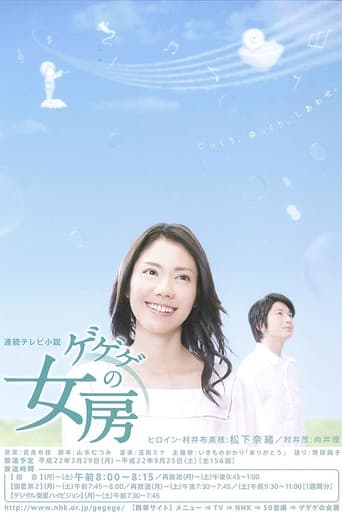
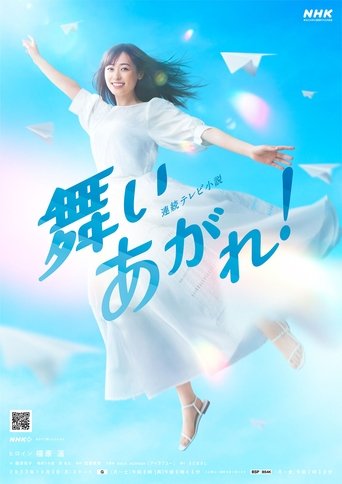
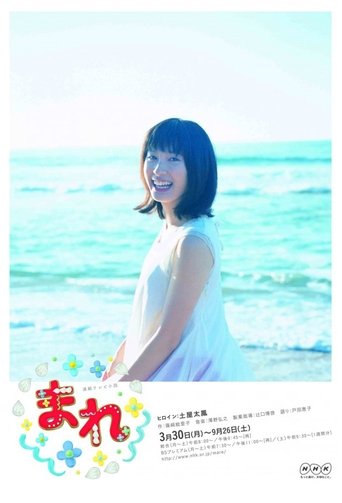
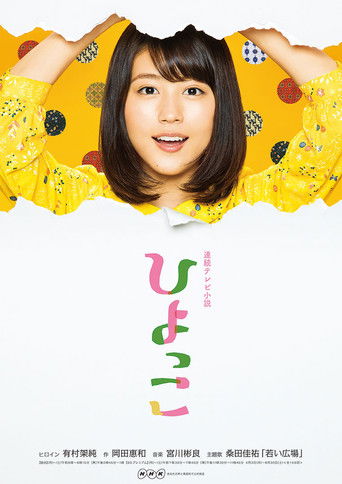
The remaining serials are invented stories about ordinary young women. Hiyokko begins in 1964, the year of the Tokyo Olympics, when seventeen-year-old Mineko leaves her farm village to work on the assembly line of a transistor radio factory in the capital; Kasumi Arimura is luminous in the part, and the series is loved for its kindness. Churasan follows a girl from a small island in Okinawa to nursing school in Tokyo, Half Blue Sky a girl from Gifu who draws comics and later invents a fan, Mare an apprentice pastry cook on the Noto peninsula, Gochisousan a Tokyo restaurateur's daughter who marries into Osaka, and Soar High! a young woman who dreams of flying aeroplanes. Several of these serials pass through the war years, which they treat from the kitchen and the workshop, with restraint.
Period dramas
Twenty-three dramas are set in the past, and the period guide arranges them. The centrepiece is the taiga drama, NHK's year-long historical serial, shown on Sunday evenings since 1963. Nine are here. Sanadamaru, written by the comic dramatist Koki Mitani, tells the story of the Sanada family, a small clan squeezed between great powers at the end of the sixteenth century, and of its younger son, played by Masato Sakai, who made his last stand at the siege of Osaka. Mitani gives the scheming, the family dinners and the gallows humour as much weight as the battles, and the result was the most admired taiga of its decade.
Atsuhime is the life of a girl from a branch family in distant Satsuma who was adopted, educated and married to the shogun, and who held the women's quarters of Edo castle together as the old order collapsed in the 1860s. Aoi Miyazaki was twenty-two when she played her, and the series has the highest score among the period dramas. Yae's Sakura has Haruka Ayase as the daughter of a gunnery instructor in Aizu, who defended her castle and later helped to found a university in Kyoto. Naotora: The Lady Warlord concerns a woman who ruled her clan under a man's name, with Ko Shibasaki. Dear Radiance goes back a thousand years to the Heian court and to Murasaki Shikibu, author of The Tale of Genji, played by Yuriko Yoshitaka; it is a taiga with brushes and poems in place of swords. Heart of a Samurai, Musashi, Genroku Ryoran, which retells the story of the forty-seven loyal retainers, and Reach Beyond the Blue Sky, on the farmer's son who founded five hundred companies, complete the set.
Shorter period dramas turn to townspeople. Akinai Seiden: Kin to Gin follows Sachi, a scholar's daughter who becomes a maid in an Osaka kimono shop and proves to have a better head for business than its owners. The Happiness Recipe is about an orphan cook from Osaka who must win over the diners of Edo, where even the soup stock is different. Hiroshige Blue gives three episodes to the print artist Utagawa Hiroshige and to the wife who believed in him, with Sadao Abe. Kitchen Knife and Green Chili Pepper is set in a Kyoto restaurant just after the war, A Calm Sea and Beautiful Days with You among shy newly-weds of the 1930s, and Haru and Natsu tells of two sisters parted when their family emigrates to Brazil. The Diamond Sleeping in the Sea moves between present-day Tokyo and the crowded coal-mining island of Hashima in 1955, and Antarctica, with Takuya Kimura, recreates the first Japanese expedition to the polar continent and the sled dogs that became national heroes.
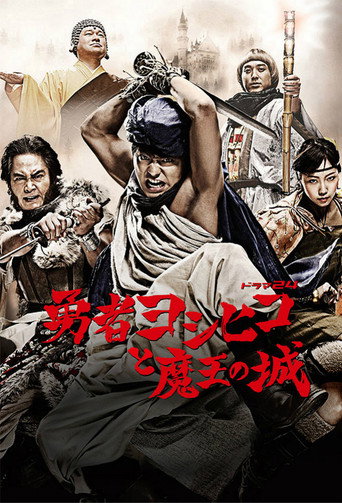
Adventure and comedy have their place too. Moribito: Guardian of the Spirit is a fantasy from Nahoko Uehashi's novels, with Haruka Ayase as a spear-wielding bodyguard charged with protecting a young prince. In Ashi Girl, a schoolgirl who can run very fast slips back to the age of the warring states and joins the foot soldiers to be near a young lord. Adventures of the Super Monkey -Journey to the West- is a cheerful Japanese version of the Chinese classic, with Shingo Katori as the monkey. The Brave 'Yoshihiko' and its sequel Brave Yoshihiko and the Demon's Key are low-budget parodies of role-playing games, proud of their cardboard monsters, and a cult favourite.
Food and drink
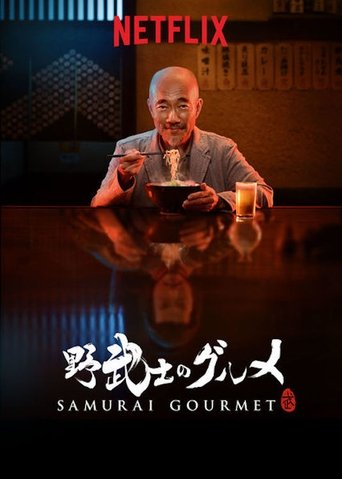
Twenty-two dramas are about food and drink, and the food guide sorts them. Japan has made a television genre of the pleasure of eating alone, and Samurai Gourmet is its most charming example and the most watched drama on DoraWatch. Takeshi Kasumi has just retired after thirty-eight years at the same company and is at a loss for what to do with a weekday. He wanders into a lunch counter, hesitates over ordering a beer at noon, and imagines how a masterless samurai would handle the matter; the samurai appears, orders, and Takeshi follows. Each of the twelve short episodes is one meal and one small act of courage, and Naoto Takenaka plays the retiree with enormous warmth.
Wakako Zake has the same shape with a different heroine: a young office worker who stops on her way home for one dish and one drink, sighing with contentment at the first mouthful. It has run for 108 episodes. Solitary Gourmet Original Broadcast is a set of short stories from the long-running series about a travelling salesman and his lunches, Bitter Woman's Lonely Meal sends a shy young woman out to eat by herself for the first time, and Ramen Loving Girl follows a silent schoolgirl whose only passion is noodles. Three Star Bar in Nishi Ogikubo, Tokyo Houchi Shokudo, set on an island where a former judge takes a job in a diner, and Moonlight Kitchen, a food stall in a temple yard, are places where customers arrive troubled and leave fed.
The restaurant drama is the other branch. In dinner, a brilliant and tactless chef, played by Yosuke Eguchi, is brought in to save an Italian restaurant whose founder has fallen ill. Bambino! has Jun Matsumoto as a cocky student from Fukuoka who learns humility in a Tokyo trattoria. Heaven? ~My Restaurant, My Life~ stars Satomi Ishihara as an eccentric novelist who opens a French restaurant beside a cemetery purely so that she may dine well, and staffs it with amateurs. Osen is set in a traditional restaurant in old Tokyo whose young proprietress insists on doing everything the slow way, and King of Sushi is a boy's rise through the sushi trade. School Meals Time is a comedy about a strict teacher of the 1980s who lives for the school lunch and a pupil who eats it more inventively than he does; Akko's Lunches, Let's Have a Meal Together!, Tokyo Noodle Factory and Beside the Hearth at Alice-san's House are equally good-natured. Isekai Izakaya "Nobu" gives the genre a twist of fantasy: the back door of a Kyoto pub opens on a medieval town whose guards and merchants are meeting cold beer and fried chicken for the first time.
Drink and sweets complete the menu. How About Coffee? travels with a mobile coffee stand whose owner brews one careful cup for each person he meets, Fukuyadou Honpo: Kyoto Love Story is set in a sweet shop four and a half centuries old, and Nonoyu is devoted to the public bathhouse and the cold milk that follows.
Work and medicine
Thirty dramas are about work, and the work guide divides them. Japanese television admires competence, and its workplace dramas are often lessons in how a job is done. The medical ones are the gentlest in the world. Dr.STOЯKS is set on a maternity ward, where an obstetrician who is also, in secret, a jazz pianist looks after mothers and babies with a calm that steadies everyone around him; Go Ayano plays him. Unsung Cinderella, Midori, the Hospital Pharmacist has Satomi Ishihara as a pharmacist who believes that every prescription deserves a second look. Doctor White, Angels in White, which follows student nurses, Diary of a Surgical Resident: Madoka and 119 Emergency Call, about the operators who answer the fire and ambulance line in Yokohama, belong beside them, and Veterinarian Dolittle treats animals with the same seriousness.
Aviation is a favourite setting. Attention Please is a comedy about a tomboy, played by Aya Ueto, who trains as a cabin attendant. NICE FLIGHT! pairs a co-pilot with an air traffic controller he knows only as a voice. Public Affairs Office in the Sky, with Yui Aragaki and Go Ayano, sends a television director to make a programme about the public relations office of the air force, where a grounded pilot is learning a new trade. Blue Moment follows a weather forecaster with a rescue team, Stars in the Deep a young woman who pilots a research submarine, and Train Otaku Michiko, 20,000 km. an office worker whose holidays are spent on remote railway lines.
The novels of Jun Ikeido, a former banker, have given television its best stories of small firms standing up to large ones. In Shita-Machi Rocket -Engineer vs. Elite-, a backstreet factory holds the patent for a valve that a giant corporation needs for its space rocket. Roosevelt Game ties the fate of an electronics company to that of its works baseball team, and The Flying Tire follows the owner of a haulage firm who refuses to accept the blame for an accident. In the same spirit, First Penguin! is the true story of a single mother who persuaded a crew of stubborn fishermen to sell their catch direct, and Our Dearest Sakura follows a young woman from an island through ten years at a construction company, determined to build a bridge to her home.
Offices, newsrooms and estate agencies supply the rest. Shomuni is a much-loved comedy of the 1990s about six women consigned to the least regarded department of a trading company, who run rings round the management. Hataraki Man is about a magazine editor who works like a man possessed, Top Caster and Beauty or Beast about television news, The Honest Realtor about an estate agent who finds himself unable to tell a lie, and Your Home Is My Business about one who sells every house she is given. Renovation Like Magic, Business Marriage and Freeter, Ie wo Kau, in which a drifting young man resolves to buy his parents a house, are stories of finding a footing. Takuya Kimura stars in two: Engine, as a racing driver who comes home to a children's home run by his father, and Priceless, as a manager who loses job and home in a day and learns what is worth having. Sayonara, Maestro! reunites a conductor, played by Hidetoshi Nishijima, with his estranged daughter through a struggling town orchestra.
School and youth
Twenty-three dramas are about school and youth, and the school guide gathers them. Club activities are the heart of Japanese school life, and of its school drama. Chihayafuru: Full Circle is set in a club for competitive karuta, a card game played at furious speed with a hundred classical poems, and follows a new generation ten years after the films of the same name; Chihayafuru: Connect links two of those films. H2: The Days with You, from Mitsuru Adachi's comic, is about two friends on rival baseball teams, with Takayuki Yamada and Satomi Ishihara. Baseball Brainiacs puts a science teacher in charge of the team at a school that prizes examinations, Water Polo Yankees and Brass Dreams do for the pool and the brass band what those do for the diamond, and Glass Mask is the classic story of a girl who lives to act.
The university dramas are among the most fondly remembered. Orange Days, from 2004, is about a psychology student, played by Satoshi Tsumabuki, and a gifted violinist, played by Ko Shibasaki, who has lost her hearing and her confidence with it; he learns sign language, and five friends share a last year before the world claims them. Hakusen Nagashi, from 1996, follows a class through its final year at a school in the mountain city of Matsumoto, and takes its name from the white ribbons the leavers float down the river. Crying Out Love, in the Center of the World is the celebrated story of a first love cut short by illness, with Takayuki Yamada and Haruka Ayase, and viewers should have a handkerchief ready. My Second Aoharu sends a woman of thirty to university at last.
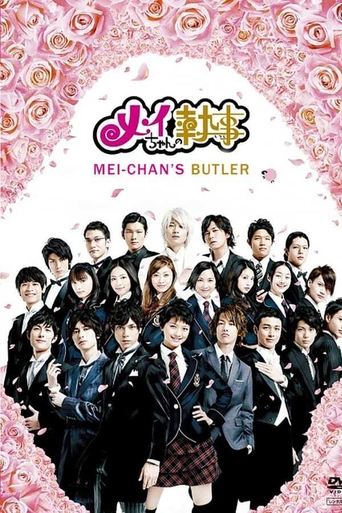
Comedy is plentiful. In The Story of Yamada Taro, the most admired boy at an expensive school is in fact very poor and too polite to say so. Mei's Butler sends an ordinary girl to an academy where every pupil is attended by a butler. Samurai High School gives a timid boy the spirit of a warrior ancestor, The Wallflower sets four handsome lodgers the task of turning their landlady's niece into a lady, and Ya Boy Kongming! brings the great strategist of ancient China back to life in a Tokyo nightclub district, where he becomes manager to an unknown singer. The Girl's Speech, with Suzu Hirose, is about a quiet girl who finds her voice as president of the student council, and Setoutsumi, Kaiju Club, Play It Cool, Guys, Strobe Edge, Cinderellas of Midsummer and The Reluctant Preacher range from deadpan conversation on a riverbank to first love on a train.
Love and everyday life
Forty-five dramas are about love and everyday life, the largest group, and the life guide gives a way in. The writer Yuji Sakamoto is responsible for two of the finest. Woman is about Koharu, a young widow raising two small children on part-time wages, and about the mother from whom she has been estranged for twenty years; Hikari Mitsushima's performance is extraordinary, and the series, though sad, is full of love. Love That Makes You Cry follows six young people who have come to Tokyo from the provinces, among them a care worker and a removal man, played by Kasumi Arimura and Kengo Kora, whose paths keep crossing over five years.
The classic love stories reward a visit. Say You Love Me, from 1995, is about an aspiring actress and a painter who was born deaf, played by Takako Tokiwa and Etsushi Toyokawa, and it set off a national interest in sign language. Tokyo Cinderella Story, Wonderful Unrequited Love, With Love, in which two strangers fall for each other by electronic mail, Over Time and Summer Snow are period pieces of the years when the whole country watched the same drama on a Monday night. More recent romances include Perfect World, about an interior designer and her first love, now an architect who uses a wheelchair; Why I Dress Up for Love, about a publicist who moves into a shared flat; Hard to Say I Love You, about five strangers who meet online; and A Story to Read When You First Fall in Love, Everyone's Getting Married, Survival Wedding, Turn to Me Mukai-kun, A Warmed Up Love, set among the makers of convenience-store sweets, and I'm Your Destiny.
Family and neighbourhood dramas are a Japanese speciality. The Way of the Househusband has Hiroshi Tamaki as a feared underworld figure who has retired to keep house for his wife, and who brings to the supermarket sale and the school lunchbox the grim intensity of his former calling; it is very funny and thoroughly good-hearted. All About My Siblings follows five orphaned brothers and sisters under one roof. The Two in a Housing Complex is a wise comedy about two women in their fifties, friends since nursery school, who have ended up back on the estate where they were born. Kotaki Brothers and Shikuhakku, Neighbor Chikara, Unhandy Handyman, My Beloved Flower, Spring Has Come, Familiar Wife and Marry Me! explore the same territory, and Hirayasumi, the newest title in the catalogue, is about an easy-going young man who inherits a bungalow and takes in his cousin.
Some of the most enjoyable dramas here are frankly odd. Today's Nekomura is about a cat who works as a housekeeper, played in a cat costume and with complete seriousness by Yutaka Matsushige. Ojisama to Neko pairs a widowed pianist with a plain-faced cat that had waited a long time in the pet shop. In The Fantastic Deer-Man, a teacher newly arrived in Nara is addressed by one of the park's deer and given a mission. Carry On! Hara-chan! lets a cartoon character step out of his creator's notebook, Dokonjō Gaeru is about a man and the talking frog printed on his shirt, Room Laundering about a girl who can see the ghosts in empty flats, and My Love from the Stars about a visitor who has lived quietly in Japan for four centuries. Barakamon sends a proud calligrapher to a remote island, where the village children refuse to leave him alone; Late Blooming Sunflower My Life Renewed takes seven young people to the banks of a clear river in Shikoku; I Lived in Kyoto for a While and My Well-Organized Home are small essays in living well; and Flowers for Algernon, Smile, One-Pound Gospel, Gold Sunset, I'm Taking the Day Off and the four Murakami stories of After the Quake complete the shelf.
From manga
Thirty-seven dramas are adapted from comics, and the manga guide lists them. Manga is read by every age in Japan and covers every subject, which is why the adaptations range so widely: cooking in Bambino! and King of Sushi, drinking in Wakako Zake, obstetrics in Dr.STOЯKS, publishing in Hataraki Man, baseball in H2: The Days with You, boxing in One-Pound Gospel, the theatre in Glass Mask and domestic science in The Way of the Househusband. Television producers like comics because the characters arrive fully drawn, and viewers who enjoy a drama can usually find the original in translation.
True stories
Twenty dramas are based on real lives, and the true stories guide groups them. Most are morning serials or taiga dramas, which between them amount to a dramatised history of Japan: the founders of Mampuku, Massan and Asa ga Kita, the artists of My Husband is a Cartoonist, Yell and Hiroshige Blue, and the warriors and courtiers of Sanadamaru, Atsuhime, Musashi and Dear Radiance. The serials take liberties, changing names and inventing friends, but their outlines are faithful, and a viewer who follows three or four of them will come away with a real sense of how the country changed between the last shogun and the bullet train.
Short series
Seventy-four dramas are complete in ten episodes or fewer, and the short series guide picks the best. The standard commercial drama runs for one season of the television year, three months, at one episode a week, and tells a whole story in nine to eleven hours. That makes Japanese drama unusually easy to sample: Priceless, Perfect World, Antarctica, Sayonara, Maestro! and The Way of the Househusband can each be finished in a week of evenings. Some are shorter still. Hiroshige Blue has three episodes, After the Quake and Kaiju Club four, and Spring Has Come and Haru and Natsu five.
Long series
Thirty-three dramas have forty episodes or more, and the long series guide introduces them. All twenty-two morning serials are among them, the longest being Churasan with 169 episodes and Hiyokko with 160, though at fifteen minutes each a whole serial takes about as long to watch as two seasons of an hour-long drama. The taiga dramas have between forty-one and fifty episodes of forty-five minutes, and are the true marathons of the catalogue. Wakako Zake has reached 108 short episodes over several seasons, and Shomuni forty-six over three.
A few words worth knowing
Some terms recur on the title pages and in this guide. Dorama is simply the Japanese pronunciation of drama, and abroad it has come to mean a Japanese television series. A renzoku is a serial drama of the ordinary kind, one episode a week for a season; the television year is divided into four such seasons beginning in January, April, July and October, which is why so many dramas have ten or eleven episodes. Asadora, a contraction of the Japanese words for morning serial television novel, and taiga, which means great river and suggests the broad flow of history, have been explained above. A special is a single long episode, often shown at New Year to revisit the characters of a popular drama.
The settings have their vocabulary too. An izakaya is an informal pub that serves small dishes with drinks, the natural habitat of Wakako Zake and Isekai Izakaya "Nobu"; a ryotei is a formal restaurant of the kind inherited by the heroines of Osen and Kitchen Knife and Green Chili Pepper, and its proprietress is the okami. A sento is a neighbourhood bathhouse, celebrated in Nonoyu. Rakugo, the art practised in Chiritotechin, is comic storytelling by a single performer who kneels on a cushion and plays every part with a fan and a hand towel. Karuta, the game of the Chihayafuru dramas, is played with cards bearing the hundred poems of a thirteenth-century anthology, and the best players can identify a poem from its first syllable.
School dramas assume a few customs. The school year begins in April, when the cherry trees flower, and ends in March. Pupils clean their own classrooms and belong to a club, sporting or cultural, that meets after lessons almost every day; an older pupil is a senpai and is addressed with respect. The national high school baseball tournament, held each summer at a stadium near Osaka, is watched by the whole country, and reaching it is the dream of the teams in H2: The Days with You and Baseball Brainiacs.
Names in this guide follow the order used on the title pages, given name first, so Haruka Ayase and Takuya Kimura, though in Japan the family name is spoken first. Historical figures are an exception by long custom: Miyamoto Musashi and Murasaki Shikibu keep the Japanese order. English titles vary between services, and where a drama is widely known by its Japanese name, as with Asa ga Kita or Hirayasumi, that name is kept.
Stars to follow
Japanese actors move easily between comedy and tragedy, modern dress and armour, and the stars guide names a few worth following. Haruka Ayase is a warrior in Yae's Sakura and Moribito: Guardian of the Spirit, a schoolgirl in Crying Out Love, in the Center of the World, and a teacher in The Fantastic Deer-Man. Takuya Kimura, for many years the most popular leading man in the country, appears in Priceless, Engine, Antarctica and Miyamoto Musashi. Tomohisa Yamashita is an estate agent in The Honest Realtor, a forecaster in Blue Moment and the gentle hero of Flowers for Algernon; Kazunari Ninomiya leads The Story of Yamada Taro, Freeter, Ie wo Kau and Baseball Brainiacs; and Takayuki Yamada goes from the tender Crying Out Love, in the Center of the World to the absurd The Brave 'Yoshihiko'.
Among the women, Satomi Ishihara is a pharmacist in Unsung Cinderella, Midori, the Hospital Pharmacist and a restaurateur in Heaven? ~My Restaurant, My Life~; Kasumi Arimura appears in Hiyokko, Love That Makes You Cry and Stars in the Deep; Yuriko Yoshitaka in Hanako & Anne and Dear Radiance; Hikari Mitsushima in Woman, All About My Siblings and Dokonjō Gaeru; and Kyoko Yoshine in Beppin-san, Diary of a Surgical Resident: Madoka and A Calm Sea and Beautiful Days with You. The character actors are a pleasure of their own: Yutaka Matsushige turns up in six dramas besides the one in which he plays a cat, and Naoto Takenaka in five. The search field accepts all of these names.
Choosing for the family
Because the selection was made with a mixed household in mind, most of the catalogue can be shared, and the family viewing guide picks titles for different company. With children, Today's Nekomura, Dokonjō Gaeru, Adventures of the Super Monkey -Journey to the West- and Antarctica, with its brave dogs, are good choices. With teenagers, try Chihayafuru: Full Circle, Ya Boy Kongming!, Ashi Girl or The Brave 'Yoshihiko'. With grandparents, Samurai Gourmet, Hiyokko, Atsuhime and The Two in a Housing Complex have characters of their own generation and a pace to match.
A few points are worth knowing beforehand. Several morning serials and period dramas pass through the war years, and the taiga dramas show battles. Medical dramas deal with illness and loss, and Crying Out Love, in the Center of the World, Summer Snow and Woman are openly tearful. The food dramas show a glass of beer or saké with a meal as one of life's ordinary pleasures. Each title page carries a full summary, so a parent can read it in a minute and decide.
Choosing a first drama
Newcomers to Japanese drama are sometimes surprised by its manner, and a word of preparation helps. The acting in comedies is broad, closer to the stage than to film, and the acting in serious dramas is correspondingly quiet. Episodes often end on a small moment of feeling where another tradition would place a shock. Music is used generously. Viewers who settle into these habits usually find them restful, and many come to prefer them.
The easiest way in is through food. Samurai Gourmet asks only twenty minutes at a time and explains a good deal about Japanese manners along the way. From there, a complete ten-episode drama is the natural next step: Orange Days for romance, Priceless for comedy with a moral, Dr.STOЯKS for a workplace, The Way of the Househusband for laughter. A morning serial is best begun when there is time to make it a daily habit, fifteen minutes with breakfast, as it was meant to be seen; Hiyokko and Mampuku are the kindest to beginners. The taiga dramas ask the most and give the most, and Sanadamaru is the one to choose first, since its humour carries the viewer across the unfamiliar names.
By period
Thirty-five dramas were made before 2010. The oldest is Wonderful Unrequited Love of 1990, and the 1990s are represented by Tokyo Cinderella Story, Say You Love Me, Hakusen Nagashi, King of Sushi, Glass Mask, Shomuni, With Love, Over Time and Genroku Ryoran, the years in which Japanese drama was watched across Asia. The 2000s brought Churasan, Musashi, Orange Days, Crying Out Love, in the Center of the World, Engine, Attention Please, Bambino! and Atsuhime.
Seventy-one dramas date from 2010 to 2019, the fullest decade, among them Carnation, Woman, Massan, Asa ga Kita, Sanadamaru, Samurai Gourmet, Hiyokko and Mampuku. Fifty-nine have appeared since 2020, including The Way of the Househusband, Today's Nekomura, First Penguin!, Ya Boy Kongming!, The Tiger and Her Wings, Dear Radiance, The Diamond Sleeping in the Sea and Hirayasumi.
The top rated
The Top rated list holds the thirty-three dramas that score at least 7.5 out of ten from six or more viewers. Morning serials make up nearly a third of it, led by Mampuku, My Husband is a Cartoonist, Hiyokko, Massan and Carnation. The period dramas send Atsuhime, Dear Radiance, Musashi, Sanadamaru and Antarctica; work is represented by Public Affairs Office in the Sky, Priceless and Dr.STOЯKS; youth by Orange Days and Crying Out Love, in the Center of the World; and everyday life by Woman, Love That Makes You Cry and Flowers for Algernon. Samurai Gourmet carries the flag for food. If an evening calls for a safe choice, this is the list to open.
Search and the A to Z
The search field sits in the top bar on every page. Type a few letters and results appear at once beneath it; the search looks at titles, original titles, actors and directors. The finding titles page summarises the methods. Typing "samurai" brings three dramas, "Kyoto" brings two, and "Takuya Kimura" brings his four. A title may be entered in English, in romanised Japanese or in Japanese script, so "Hikaru Kimi e" leads to Dear Radiance.
The A to Z page sets out all 165 dramas in a single alphabetical index. The All series page shows them most popular first, and each of the fifteen lists has a page of its own with a line of description and a count.
My List
With five thousand episodes on offer, a list of your own is worth keeping. Beside the Watch now button on every drama page sits Add to My List, and a single press files that drama on your list. The white button in the top bar opens it, where each saved drama appears as a poster with a Remove button beneath. The My List page explains each button. The list is held by this browser on the device in front of you, so it is waiting on your next visit, and the list page can hand you a small file of it for safe keeping or for another computer.
How Watch now works
Every drama page has a country selector with fifteen countries, among them the United States, Japan, the United Kingdom, Canada, Australia, Singapore, Malaysia and the Philippines. Pick yours and press Watch now. JustWatch opens on the page for that drama and shows the services that carry it there, grouped by subscription, rental, purchase and free viewing. The large international services, the Japanese broadcasters' own platforms and the specialist Asian drama services all appear in those lists. Availability differs from one country to the next, which is why the selector comes first.
A first fortnight
Here is a plan for fourteen evenings that samples all six kinds of drama. Begin with two episodes of Samurai Gourmet. On the second evening start The Way of the Househusband, and on the third Orange Days, returning to each as the fortnight goes on. The fourth belongs to the first week of Hiyokko, six short episodes; the fifth to the opening of Sanadamaru; the sixth to Dr.STOЯKS; and the seventh to all three parts of Hiroshige Blue. In the second week, try Today's Nekomura, Shita-Machi Rocket -Engineer vs. Elite-, Chihayafuru: Full Circle and Woman, and finish whichever ten-episode drama has taken hold. By then you will know which kind suits you best, and DoraWatch will have more than a hundred and fifty dramas still to offer.
Questions and answers
Questions
What is DoraWatch?
DoraWatch is a guide to 165 Japanese television dramas, 1990 to 2025, sorted into six kinds, from morning serials to dramas of everyday life.
Which drama should I watch first?
Start with Samurai Gourmet for food, Orange Days for romance, The Way of the Househusband for comedy or Hiyokko for a morning serial.
Is the catalogue suitable for families?
Yes. Every summary was read by hand, and the selection favours mainstream dramas about family, work, school, food and history.
What is a morning serial?
An asadora is NHK's daily fifteen-minute drama, about 150 episodes over six months, usually telling one woman's life. Twenty-two are listed.
What is a taiga drama?
A taiga is NHK's year-long Sunday historical serial of about fifty episodes on one figure from Japanese history. Nine are listed.
How many episodes are listed?
The 165 dramas have 5,269 episodes between them, and each drama page lists them with titles and dates.
How does My List work?
Press Add to My List on a drama page. This browser holds the list on your device, and the list page can hand you a file of it.
Does DoraWatch host dramas?
DoraWatch is a guide only. Every Watch now button opens JustWatch, which lists the official streaming, rental and purchase services for your country.
